
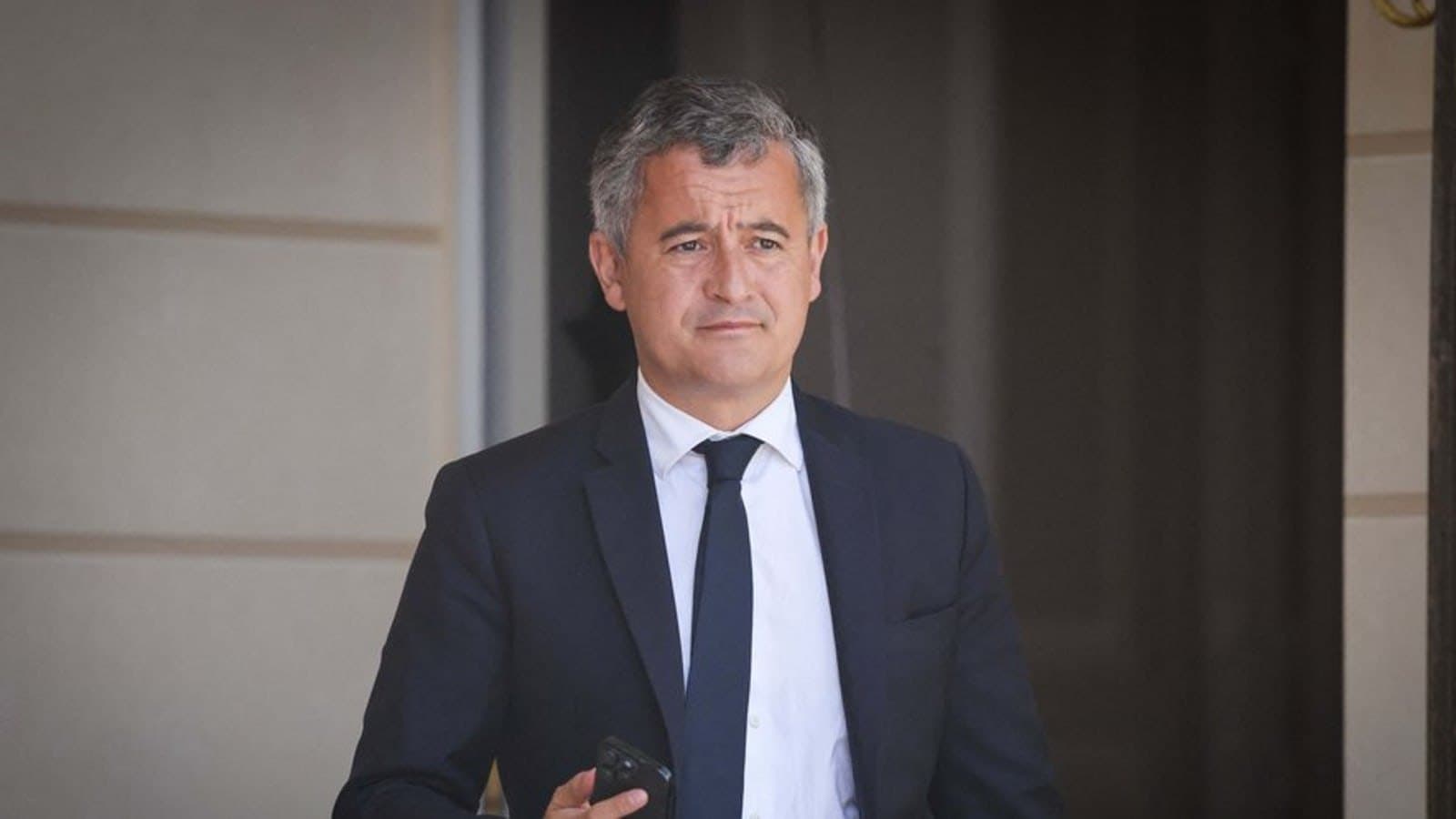
Gerald Darmanin sent a twelve-page letter to Laurent Nunez on 29 July, revealed by Le Monde on Saturday, summarising what France's appeal court prosecutors have reported back about how sexual offences against children are being handled. The picture it describes is not a backlog in the ordinary sense. It is a gap between what the police hold and what the justice system knows about.
The letter records what prosecutors found when they went looking. In Nimes, 1,275 cases that the prosecutor's office had never been told about. In Caen, 905. In Agen, a significant number of live investigations of which the prosecutor's office had received no notification at all. In Bourges, around fifteen files described as simply lost. Darmanin also notes that professional commitment has at times been insufficient, including within specialist units, which is a pointed thing for a justice minister to write to an interior minister about officers who do not report to him.
The distinction matters more than the totals. A case a prosecutor knows about and cannot get to is a resourcing failure, and it can at least be counted, prioritised and chased. A case a prosecutor has never heard of is invisible. Nobody is monitoring the limitation period, nobody is deciding whether the child is still living with the person complained of, and the file only exists in the service holding it. That is why the phrase in circulation is a ghost stock rather than a queue.
The interior ministry's response has been procedural. It called the letter a working document, declined to comment on the substance, and said it regretted a premature leak of material its services are still examining. That is a fair complaint about process and it does not answer anything in the document.
Ludovic Friat, who heads the main magistrates' union, said the letter confirms what the USM has been saying about the resources available to investigating services, and made a point worth repeating: the two ministries are describing much the same problem, and both are under-dimensioned for a caseload that has become a mass one. Passing the difficulty between them will not resolve it. That is the sober reading, and the number behind it is 85,047, the figure Darmanin gave for complaints of sexual violence against minors then being processed.
The reason all of this is being counted now is the death of an eleven-year-old girl, found on 4 June in the Gers. Jerome Barella, the main suspect, has been charged with murder and rape of a minor under fifteen. He has not been tried and is entitled to the presumption of innocence. The public reaction to that case is what caused the review, and the review has produced 924 people taken into custody so far, a figure the minister has said he wants to keep building on.
Which leaves the question a review cannot settle. A system that discovers over a thousand unreported files in a single jurisdiction did not acquire that problem in June. The letter is a description of how things stood before anyone was looking, and the useful test of what follows will not be the arrest count. It will be whether the transmission of a case from a police service to a prosecutor becomes something that is recorded and audited rather than assumed.
In France, 119 is the national number for children in danger. In an emergency, call 17 or 112.