
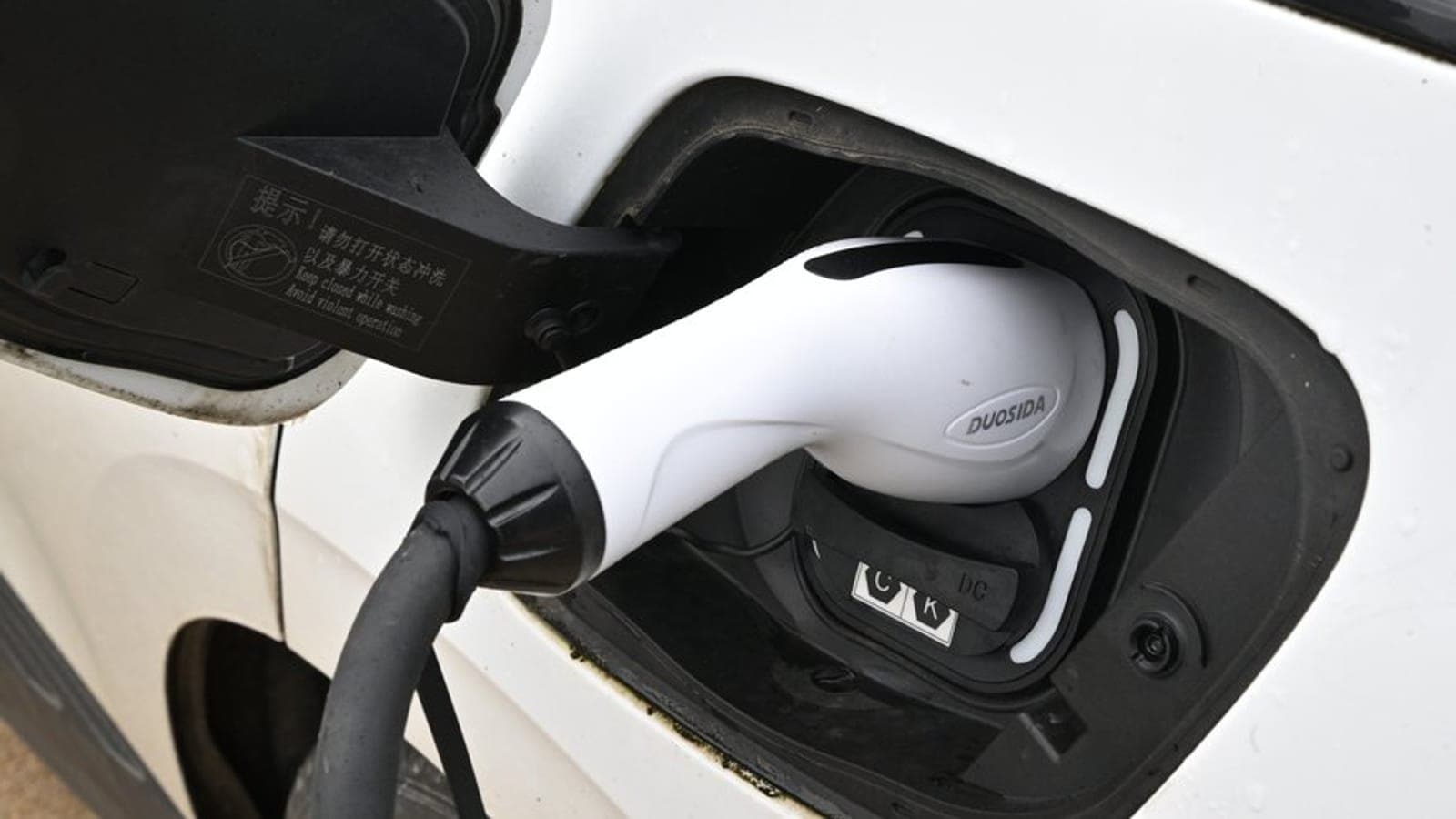
Operators of electric vehicle charging points in France have filed more than 400 complaints since January 2026 over cable theft and damage to their stations, according to France Inter. In the Pays de la Loire the regional environment and housing directorate has warned that the practice is increasing there as it is elsewhere in the country, and describes it as a serious problem for operators.
The method is not sophisticated. Jean-Pierre Cloez of the Alliance Police union told France Inter that the thefts are fairly easy, that an angle grinder or a large pair of cutters is enough, and that a station can yield up to 500 euros. He put the scrap return at around 50 euros for five kilos of copper per cable, the copper price being high at present.
That gap is the whole story. Jacques Galvani, chief executive of Altante, which runs 1,800 stations in France, said the losses run into the millions. Replacing a single cable costs between 1,400 and 4,000 euros once the part and the technician's visit are counted. A theft that returns tens of euros to the person carrying it out destroys thousands of euros of infrastructure, which is the same asymmetry that has made copper theft such a persistent problem on railways and telecoms networks.
There is a second cost that does not appear on any invoice. A charging station with its cables cut is not a damaged asset, it is an absent one, and a driver who arrives at a point that cannot deliver a charge has a different experience from one who arrives at a queue. Drivers in Albi, in Occitanie, found exactly that in December when they reached a station whose points had no cables. Public charging is still the part of electric motoring that people report least confidence in, and reliability is what that confidence is made of.
Arrests have been made in the Pays de la Loire and in Albi. Operators are looking at tougher conduit and camera coverage, both of which raise the cost of every new installation to defend against a return of tens of euros per cable. Meanwhile the network keeps expanding, which means more sites, more remote locations, and more cable in places nobody is watching at three in the morning.