
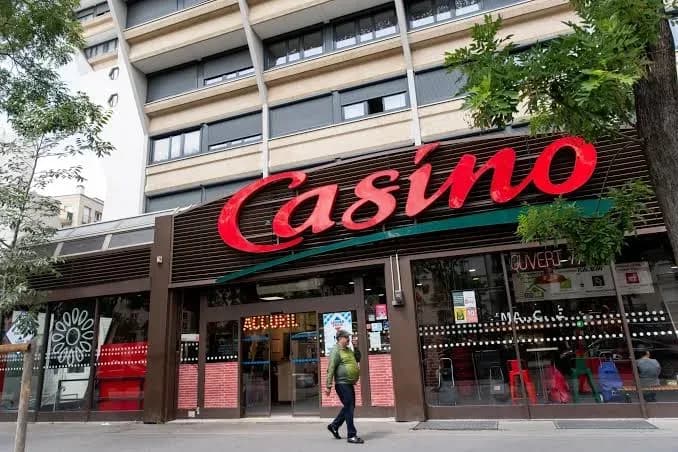
France has one of the more tightly regulated gambling markets in Europe and one of the more counterintuitive ones. While online poker, sports betting, and horse-race betting are legally licensed and regulated by the Autorité Nationale des Jeux (ANJ), online casino games slots, roulette, blackjack, and similar table games are not legally licensed for online play in France at all. That gap between demand and legal supply is exactly what makes the French online casino landscape worth looking at closely.
The Legal Picture First
Under French law, online casino-style games are restricted to licensed land-based casinos operating physical premises. There is currently no licensing pathway for operators domestic or offshore to legally offer online slots, roulette, or blackjack to French residents. This is a deliberate policy choice distinct from how France treats poker and sports betting, both of which have functioning, competitive licensed online markets. Any platform offering online casino games to French players is doing so outside that legal framework, regardless of what licenses it holds elsewhere (Curaçao, Malta, or otherwise).
So How Many French Players Actually Gamble Online at Casinos?
Despite the ban, demand clearly exists. Industry and regulator estimates over recent years have put the number of French residents playing at unauthorized/offshore online casino sites in the range of several hundred thousand active players, with figures cited by ANJ and gambling-harm researchers suggesting this segment has grown alongside the broader rise of crypto and offshore-friendly platforms. Precise figures are hard to pin down by design — this is an unregulated, largely untracked market from the French state's perspective — but the general trend cited by regulators and addiction-prevention groups has been upward, not downward, even as enforcement has increased.
A few dynamics driving that demand:
Legal poker and sports betting normalized online gambling for a generation of French players who then look for a casino-games equivalent that doesn't legally exist domestically.
Crypto payment rails make offshore deposits and withdrawals far easier than they were a decade ago, when banking friction was a bigger barrier to accessing unauthorized sites.
VPN and geolocation workarounds are widely known among the player base that seeks these platforms out specifically.
Enforcement Is Real, Not Theoretical
ANJ actively maintains a blocklist of unauthorized gambling domains and works with French ISPs and payment processors to restrict access to sites offering unlicensed online casino games. Blocked-domain counts have grown year over year, and ANJ has pursued both administrative blocking and, in some cases, criminal referrals against operators and, less commonly, high-volume affiliates promoting unauthorized sites to French residents. This isn't a market operating in a quiet legal gray zone — it's one the regulator is actively working to shrink.
Where a Platform Like Lucky Rollers Fits Into This Picture
Crypto-native casinos such as Lucky Rollers are part of the broader offshore segment French demand has been flowing toward — stablecoin deposits, large welcome bonuses, and fast withdrawals are exactly the features that make offshore platforms attractive relative to the legal alternative, which for casino-style games in France simply doesn't exist online.
This is not an endorsement for French players to use it. Online casino games are not licensed for the French market under any circumstance, and French residents accessing platforms like this are doing so outside the legal framework ANJ enforces — with no local licensing protection, no ANJ dispute recourse, and active regulatory efforts to block access to exactly this category of site. Anyone in France considering online casino play should treat that legal status as the deciding factor, not availability or bonus size.
The Bottom Line
France has built one of Europe's more functional legal online gambling markets for poker and sports betting — and then left online casino games entirely outside it. That gap hasn't eliminated demand; it's pushed it offshore, into a segment growing alongside crypto adoption and increasingly targeted by ANJ enforcement. Understanding that dynamic matters more than any individual operator's marketing, since it's the legal structure — not any single platform — that determines the real risk for French players.
This article is informational and does not constitute legal advice, and it is not an endorsement of unauthorized gambling access in France. Online casino games are not licensed for online play in France under ANJ regulation. If gambling is affecting your life negatively, resources like the French national gambling helpline (Joueurs Info Service, 09 74 75 13 13) can help.