
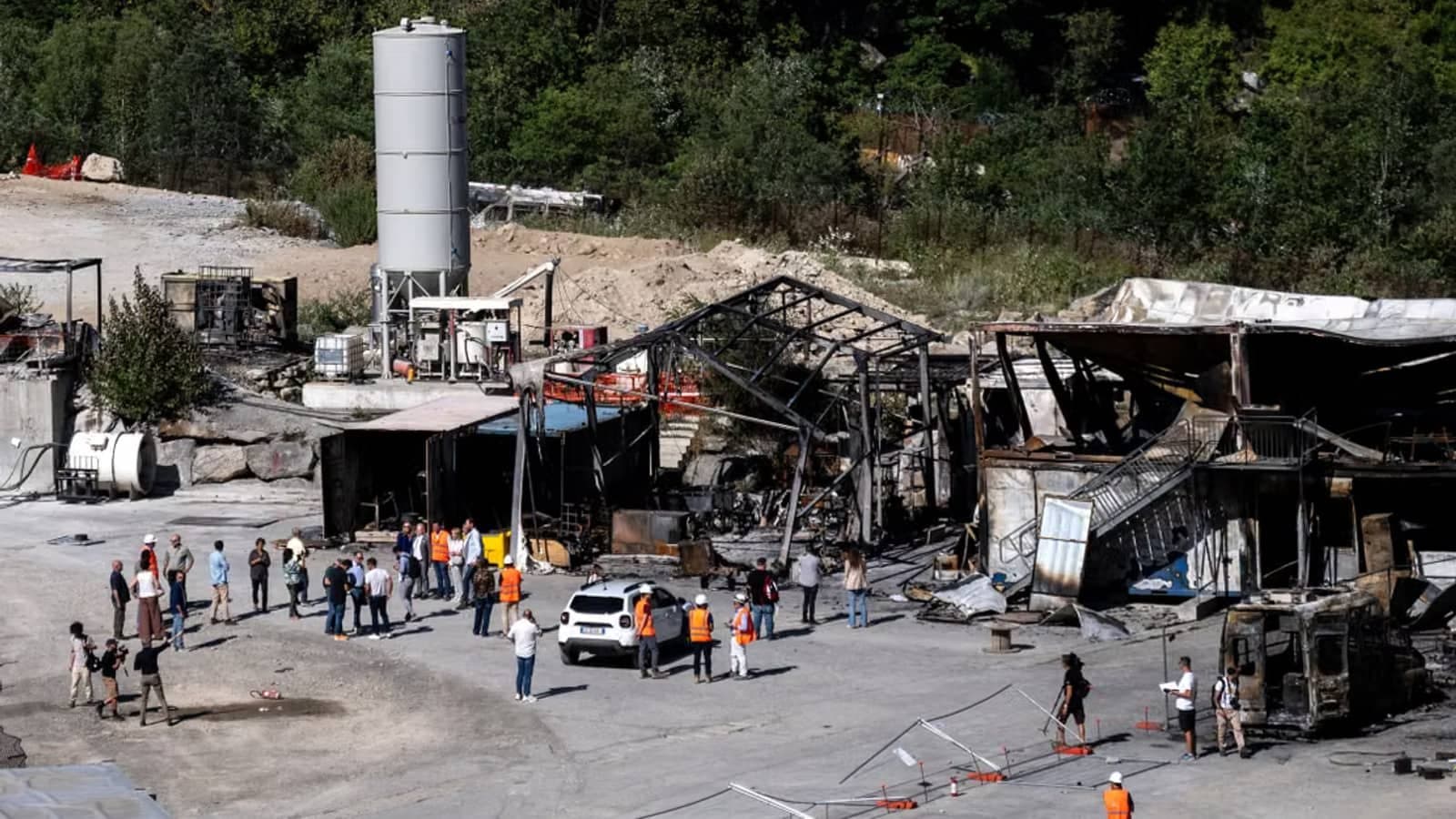
Eight people have been charged in Paris with criminal conspiracy over a suspected plot against the Lyon-Turin rail link, according to Le Monde, in a case built on intelligence exchanged between France and Italy about what both governments describe as the ultra-left.
The charge deserves explaining, because in French law association de malfaiteurs is unusually elastic. It punishes the agreement itself, evidenced by preparatory acts, rather than an attack that took place. That makes it the natural instrument for a case assembled before anything happened, and it is also why such cases turn on what investigators can show about intent rather than on damage anyone can point to. Nobody charged here has been tried, and all are entitled to the presumption of innocence.
The cross-border dimension is the part that is genuinely new. Opposition to the line has been transnational for decades, with French and Italian activists moving between the two sides of the Alps, but the response has historically been national. Two services exchanging intelligence on a movement and producing a joint case is a different posture, and it reflects a judgement in both capitals that the militant edge of this campaign is one network rather than two.
The timing follows a violent weekend in Italy. In late July several hundred people attacked officers guarding the construction site during a demonstration in Piedmont's Susa Valley, near the French border, with petrol bombs and projectiles thrown at police. Italian authorities put the damage at around a million euros, and Giorgia Meloni described the protest as organised and premeditated violence. Rome had been pressing for a firmer French response for some time before that.
None of it is separable from the project itself. The Lyon-Turin base tunnel has been under construction and under dispute for thirty years, and the opposition it draws is not a fringe of a fringe. It runs from valley residents worried about excavated rock and water tables, through elected officials in both countries who question the freight forecasts, to a small number of people who have concluded that sabotage is legitimate. Governments have a strong interest in describing that spectrum as one thing. It is not, and a prosecution that blurred the line between protest and conspiracy would damage the case against the people who actually crossed it.
What can be stated now is narrow. Eight people are charged, the file is in Paris, the evidence is shared with Rome, and the line remains under construction with a security cost that has been rising for years.