
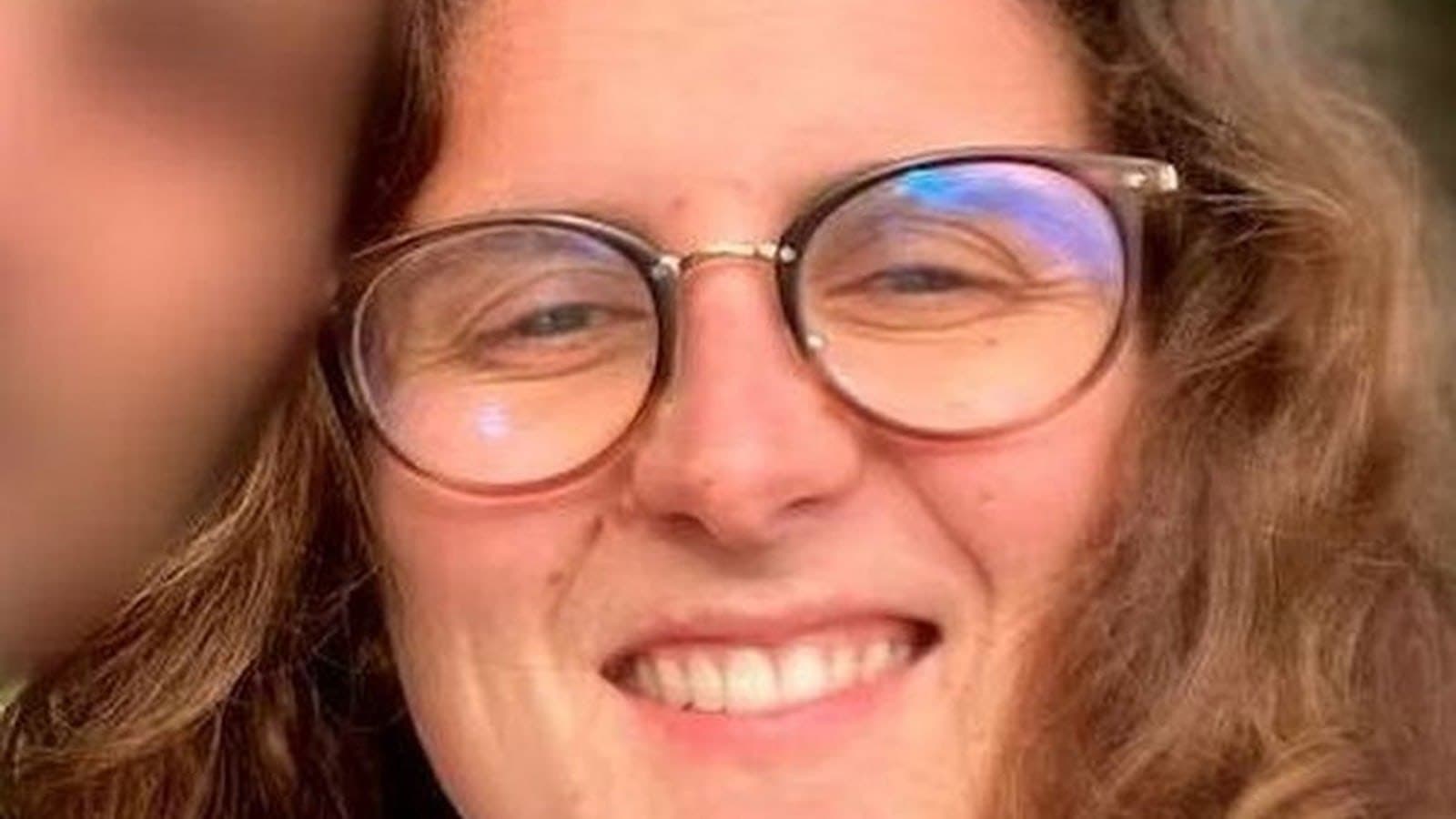
Manon Relandeau, a 31-year-old farmer, has not been heard from since 27 March. The Nantes prosecutor's office has opened an investigation into murder and abduction. More than four months on, her mother, Nathalie Rousseau, has appealed directly to Emmanuel Macron, asking the French state to use its diplomatic channels to move the case forward with the Algerian authorities. She made the appeal through Le Figaro, and it was reported in turn by La Depeche du Midi.
Her partner, Abdelkarim B., 41, left France for Algeria with the couple's 15-month-old daughter and was arrested there on 27 April. He has been held in pre-trial detention since. He had received a suspended sentence in Nantes in 2019 for domestic violence against a previous partner. He is described as the main suspect and has said nothing. He has not been tried, and he is entitled to the presumption of innocence.
What Nathalie Rousseau is asking for is narrower than it may first appear. She has said she no longer expects her daughter to be found alive. What she wants is information: whether the suspect is being questioned at all, and what the Algerian investigation has established. She says nothing has reached her, and that not knowing has become a daily injury. She has also said she fears he could be released and seek custody of the couple's daughter, who is currently with his parents in Algeria.
The obstacle here is structural rather than anyone's indifference. France does not extradite its own nationals and neither does Algeria, and where a suspect is held on the other side of that line a French case depends on judicial cooperation rather than on French investigators. That means letters rogatory sent from Nantes and answered when the receiving authority chooses to answer, with the pace set abroad. Families are not parties to that exchange and are usually not told when a request is sent or whether it has been acted on, which is why a case can be actively worked on and completely silent at the same time.
The political ask is therefore real, if limited. A president cannot direct an Algerian investigation. What the Elysee and the Quai d'Orsay can do is raise a specific file at a level where it gets attention, at a moment when relations between Paris and Algiers have been strained for some time and consular and judicial matters have repeatedly been caught up in that. Whether raising it helps or hardens the response is a judgement French diplomats make case by case, and it is the reason such requests are often handled quietly rather than announced.
In France the case has not gone quiet in the meantime. More than 300 people took part in a volunteer search around the area, and material gathered during it was sent for analysis. That is where things stand: an open murder and abduction inquiry in Nantes, a suspect detained roughly 1,500 kilometres away, a small child in the care of his parents, and a family that has been waiting four months to be told anything at all.