
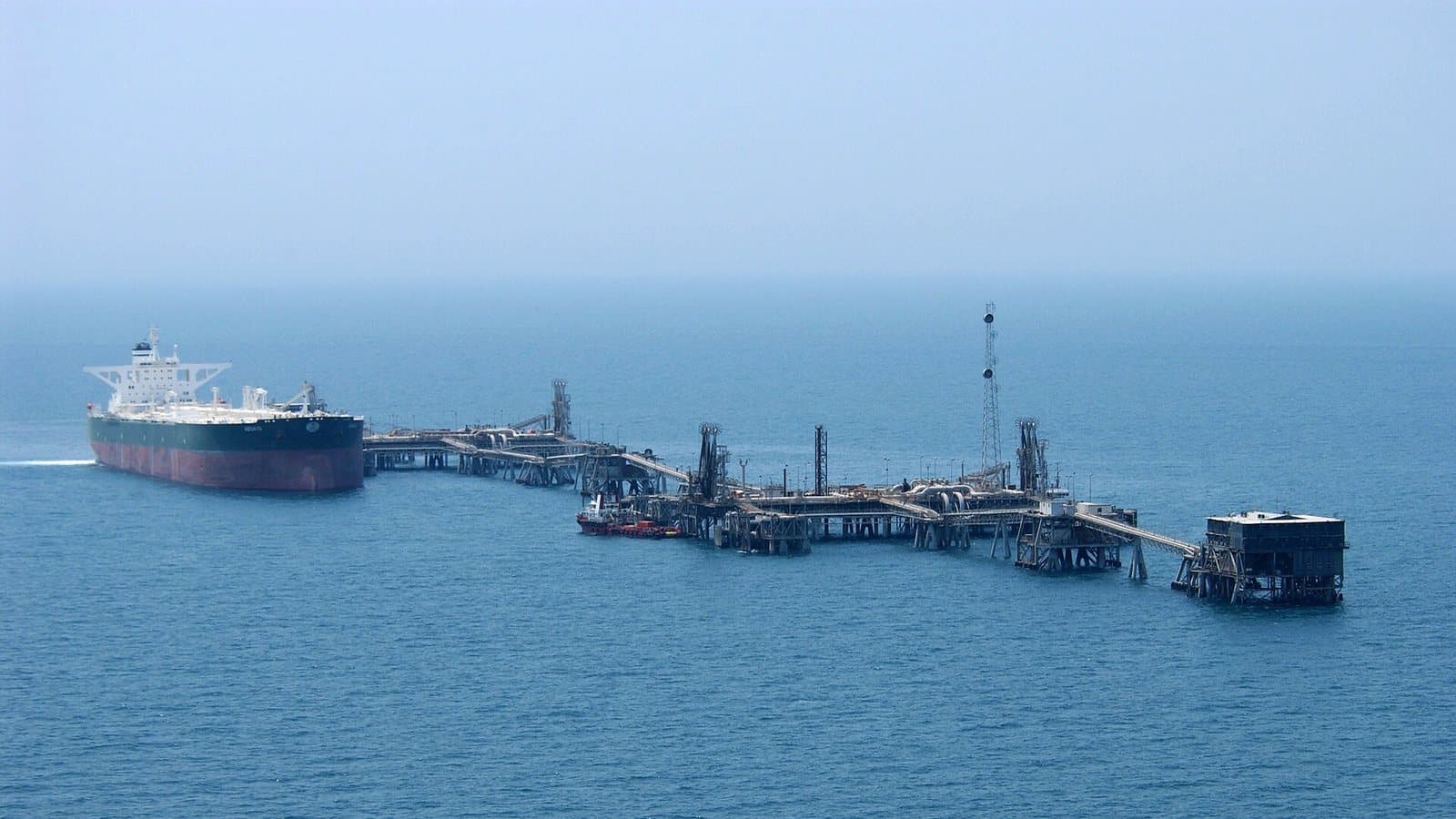
Syria is positioning itself as an energy and logistics corridor for cargo that would otherwise leave the Gulf through the Strait of Hormuz. The headline move is an agreement with Iraq to rebuild the pipeline running from northern Iraq to the Syrian Mediterranean coast, shut since it was damaged during the 2003 invasion. The agreement was signed in Washington, which tells you the project is diplomatic as much as commercial.
The more informative detail is what is already happening without the pipeline. Iraq's state oil marketer has been contracting hundreds of thousands of tonnes of fuel oil a month for export through Syria, with a large share moving through the Mediterranean port of Baniyas. That traffic is arriving by road, which is the expensive way to move oil, and shippers are paying it anyway. When a buyer accepts trucking costs to avoid a shipping lane, the risk premium on that lane has become the real price.
Several other routes are under technical assessment, including the Arab Gas Pipeline from Egypt through Jordan and Syria towards Turkey, and older lines from Saudi Arabia and Iraq that have been dormant for years. None of them is a quick build. All of them describe the same intention: a set of outlets to the Mediterranean that do not pass a chokepoint Iran can threaten.
The commercial upside for Damascus is not the oil. It is the position: customs revenue, port throughput, storage, maintenance and marine services, the ordinary business of being a place goods pass through. That is a durable income if it holds, and it is the first substantial economic argument for Syria's reintegration that does not depend on reconstruction aid.
The caution is that transit economies are only as good as the security along the route. A pipeline is a fixed asset in a country that has spent a decade demonstrating what happens to fixed assets, and the insurers pricing that risk will decide how much of this becomes real.