
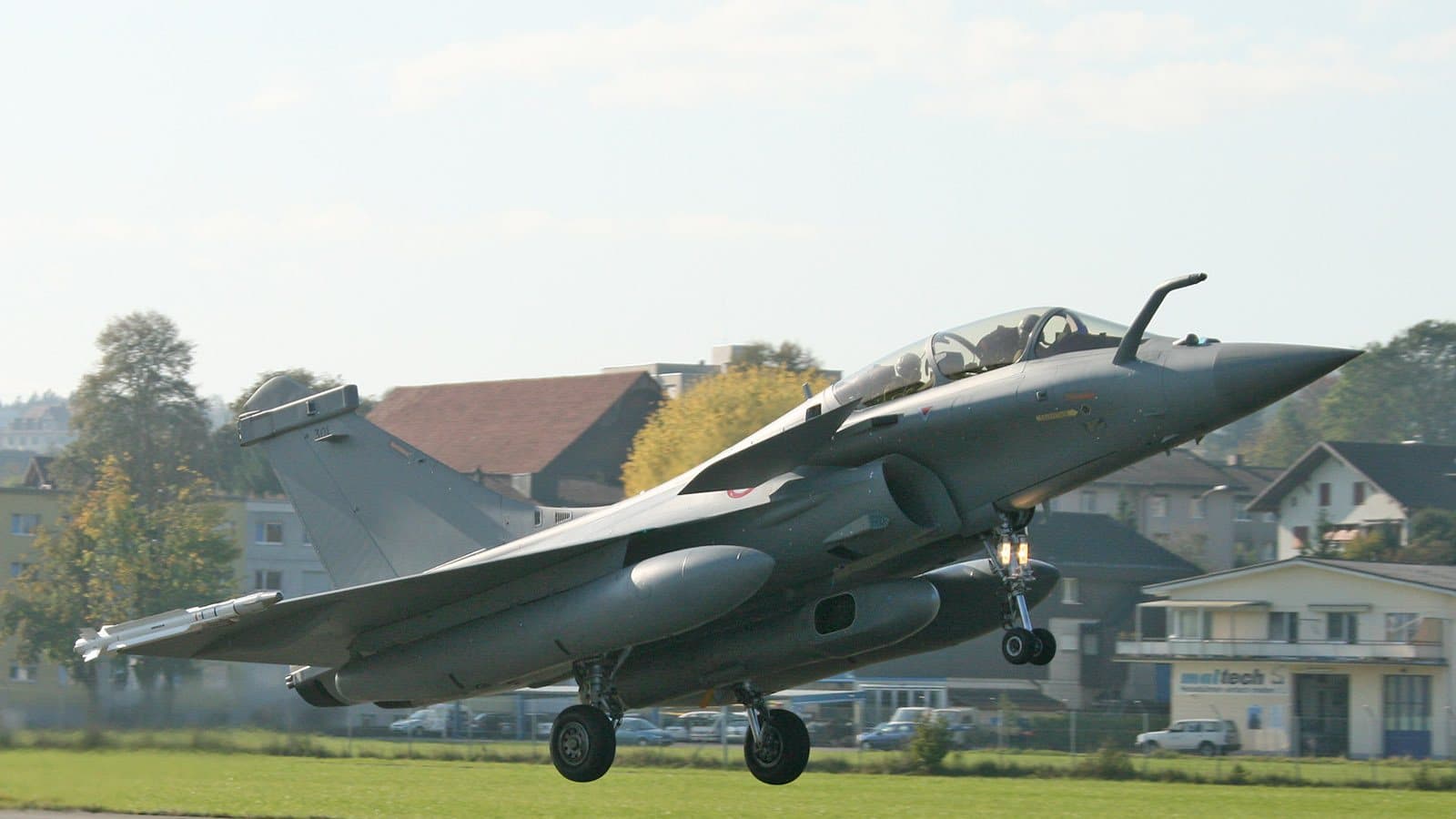
The wildfires west of Bordeaux have reached the part of the map where France builds the things it does not import. In the threatened zone are an ArianeGroup site producing propulsion components for the M51 submarine launched ballistic missile, Dassault Aviation's final assembly line for the Rafale, and one of Roxel's main plants for the solid rocket motors used in MBDA missiles.
The response has been physical relocation rather than shutdown alone. Dassault Aviation moved sensitive equipment out of its Martignas plant and its Cestas logistics centre to its Merignac site and the neighbouring air base, working with the armaments directorate and the prefecture, with most staff told to stay at home in line with instructions from the authorities. ArianeGroup evacuated the sites affected. The atomic energy commission closed its military nuclear research centre near Bordeaux as the fire approached.
The defence ministry has put roughly 1,500 military personnel into the emergency response since the weekend, with specialist teams and equipment sent to help secure industrial sites alongside other departments. That is a domestic deployment of the armed forces to protect the industry that supplies them, which is an unusual sentence to have to write.
The strategic lesson is about concentration rather than fire. France built its deterrent supply chain the way most countries did, in a small number of specialised sites near the workforce and the test ranges that suited them. That produces sovereignty and efficiency, and it also produces a short list of places where a single week of bad weather can interrupt several programmes at once.
Nothing has been destroyed, and the immediate story is one of successful precaution. The planning question the fire leaves behind is whether a supply chain designed against sabotage and shortage has been designed against a climate that keeps arriving early.