
The Valence prosecutor's office is maintaining its view that the killing of Thomas Perotto at Crepol should not carry the aggravating circumstance of racism, according to the final submissions seen by FranceInfo and Le Point on Monday 17 August. That puts it in open disagreement with the investigating judges, who at the end of July requalified the charges against the 14 young men under investigation to include an attack motivated by the victim's belonging to the white race and the French nation.
The prosecutors set out why. In their reading, the witness accounts that describe racist remarks are very much in the minority, and they are variable, imprecise and in places contradictory. No witness, they say, was able to attribute the remarks precisely to any one of the accused. On that basis the office argues the aggravating circumstance cannot be sustained, and it says the same thing now that it said in its June submissions, before the judges took the opposite view on the strength of statements from around ten witnesses.
The procedural point is worth stating plainly, because it is being lost in the argument around the case. In French criminal procedure the prosecutor's final submissions are advisory. The investigating judges decide what goes to trial and under what qualification, and they have decided. Nothing published this week changes the charges. What has happened is that the disagreement between two arms of the justice system is now documented, and both positions will be available to the defence and to the court.
That disagreement is not evidence of anyone suppressing anything, which is how it is being read in some quarters. It is what the structure is designed to produce. The prosecution assesses what it believes it can prove; the investigating judges assess what the file supports; a trial court then tests both. An aggravating circumstance based on motive is among the hardest things to establish, because it requires proving what was in someone's mind from what witnesses recall being shouted during a violent and chaotic few minutes at night.
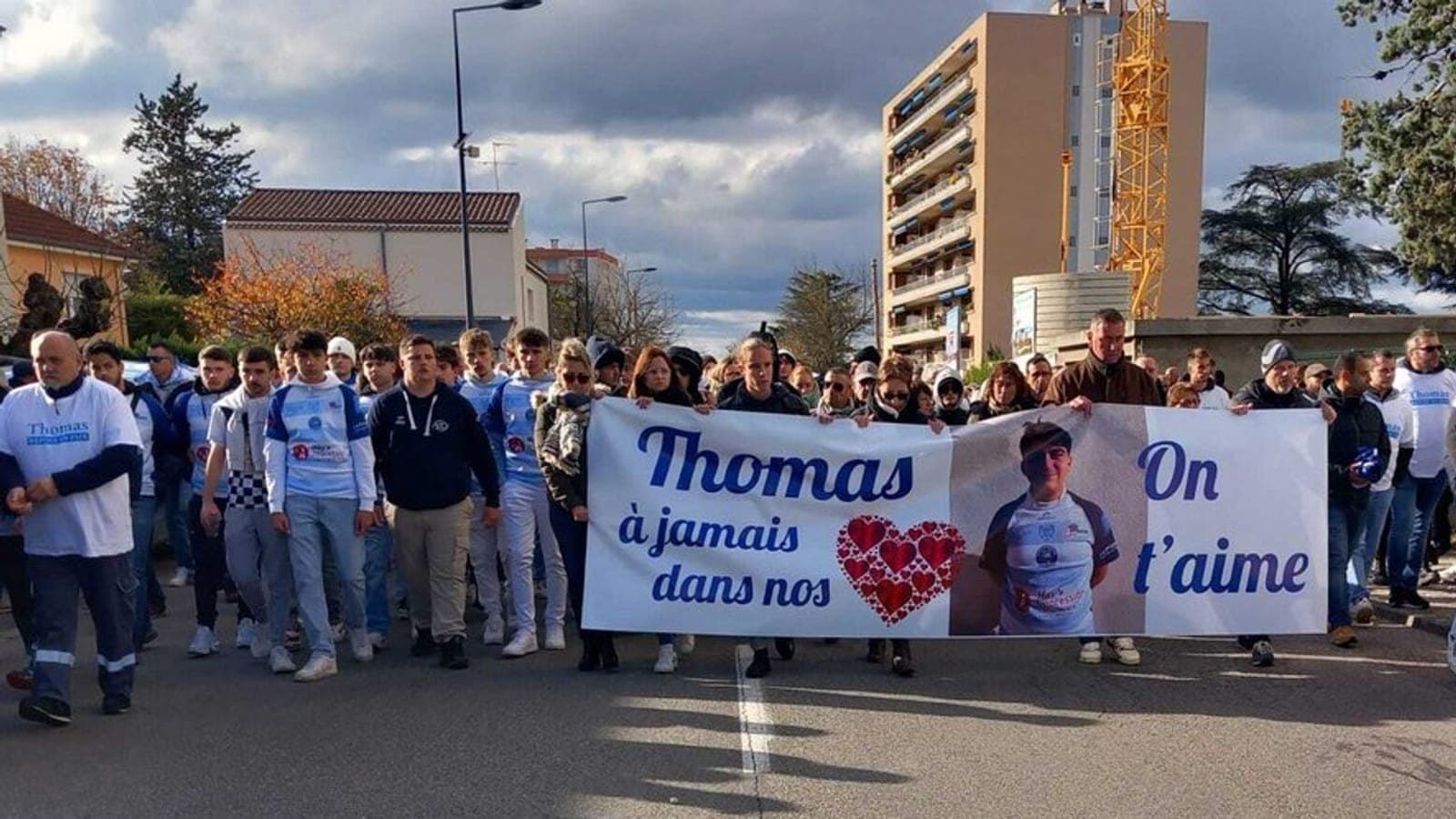
The underlying facts are not in dispute. On the night of 18 to 19 November 2023, after the village winter ball at Crepol in the Drome, a brawl broke out involving young men some of whom had come from the Monnaie district of Romans-sur-Isere. Knives were used, four people were seriously wounded, and Thomas Perotto, a 16-year-old schoolboy, died on the way to hospital. Fourteen young men have been placed under investigation for murder and attempted murder by an organised group. None has been tried, and all are entitled to the presumption of innocence.
The case became a national political argument almost immediately, which is why the qualification carries weight beyond the sentence attached to it. What the courts are being asked to decide is narrow and evidential. What it is being used to settle in public is not, and the gap between those two things is the reason a prosecutor's submission on witness reliability has become news.