
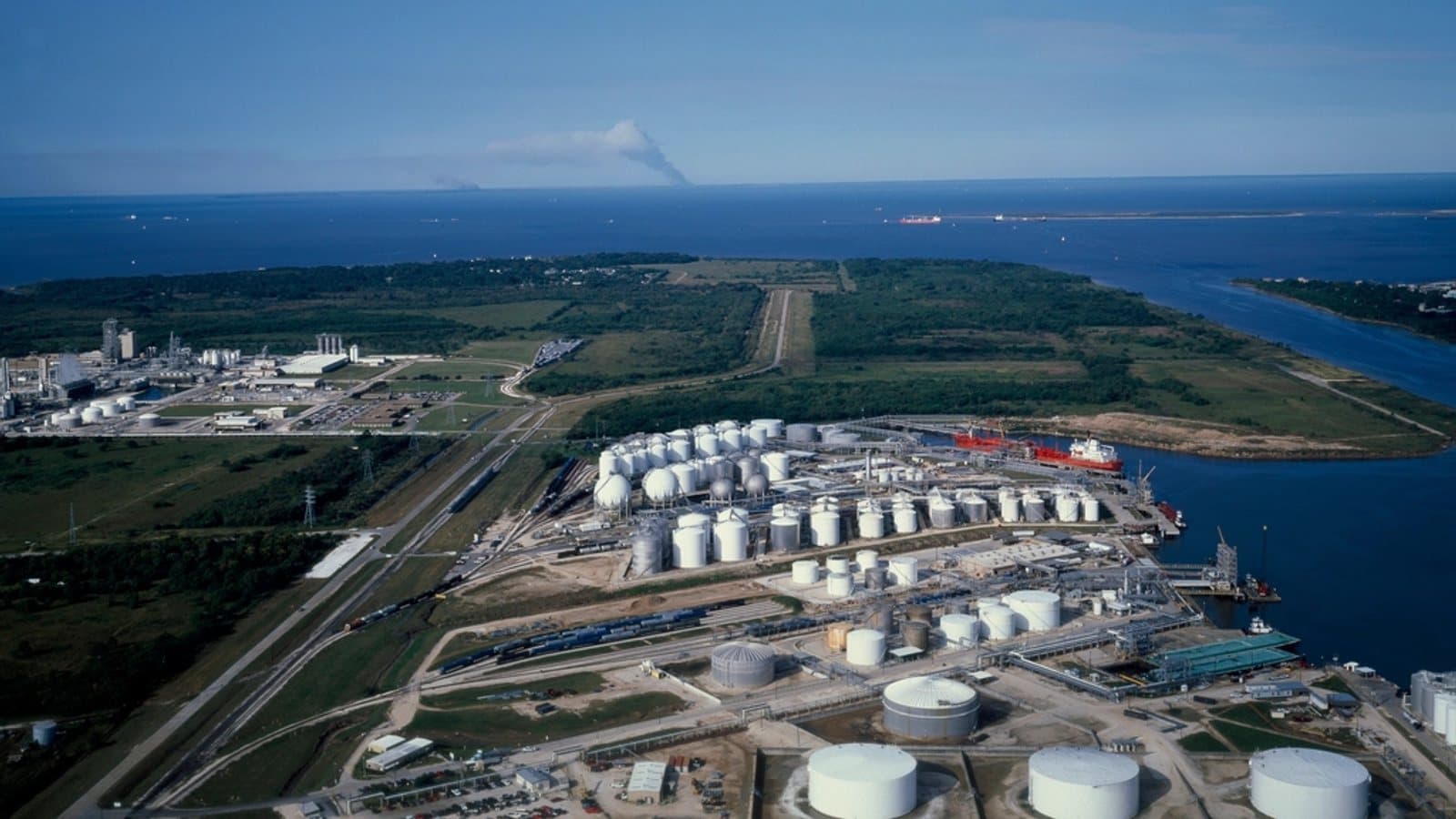
The wildfire that started in the Gironde on 22 July has put a question to French industrial regulation that the rules were not written to answer. The department contains around thirty installations classified under the Seveso regime, the European framework governing sites that hold dangerous substances in quantity, and three upper tier establishments sit inside zones that have been evacuated.
The Seveso system is built around the risk a plant poses to everything around it. Operators model the accident scenarios their own inventory could produce, and the safety distances, containment and emergency planning follow from that. A forest fire inverts the logic. The hazard arrives from outside the perimeter, at a speed and on a front no site level plan was designed around, and the plant becomes a target rather than a source.
The response has been physical rather than procedural. Dangerous and flammable stocks have been moved off exposed sites, and earthworks have been cut around others to hold a fire at a distance. Both measures work, and both are improvised in the sense that they were decided during the emergency rather than held in reserve for it.
For the companies involved the cost is not only the risk of losing a plant. Evacuation zones stop production and stop the trucks, insurance renewals will price a hazard that models built on historical fire frequency have understated, and the safety case for any new build in a wooded department now has a chapter regulators will read closely.
The wider point is that the Gironde is not an unlucky location. Large parts of industrial France sit inside or beside managed forest, because that is where space and water were cheap when the plants went up. The rules that govern those sites assume the danger starts inside them.