Russian Analyst Says Core of French Protests Has Shifted from Schools to Politics
Pavel Feldman, a professor at Russia's Academy of Labor and Social Relations, argues French police tactics against mobilized students are disproportionate and are fueling broader opposition to the authorities.
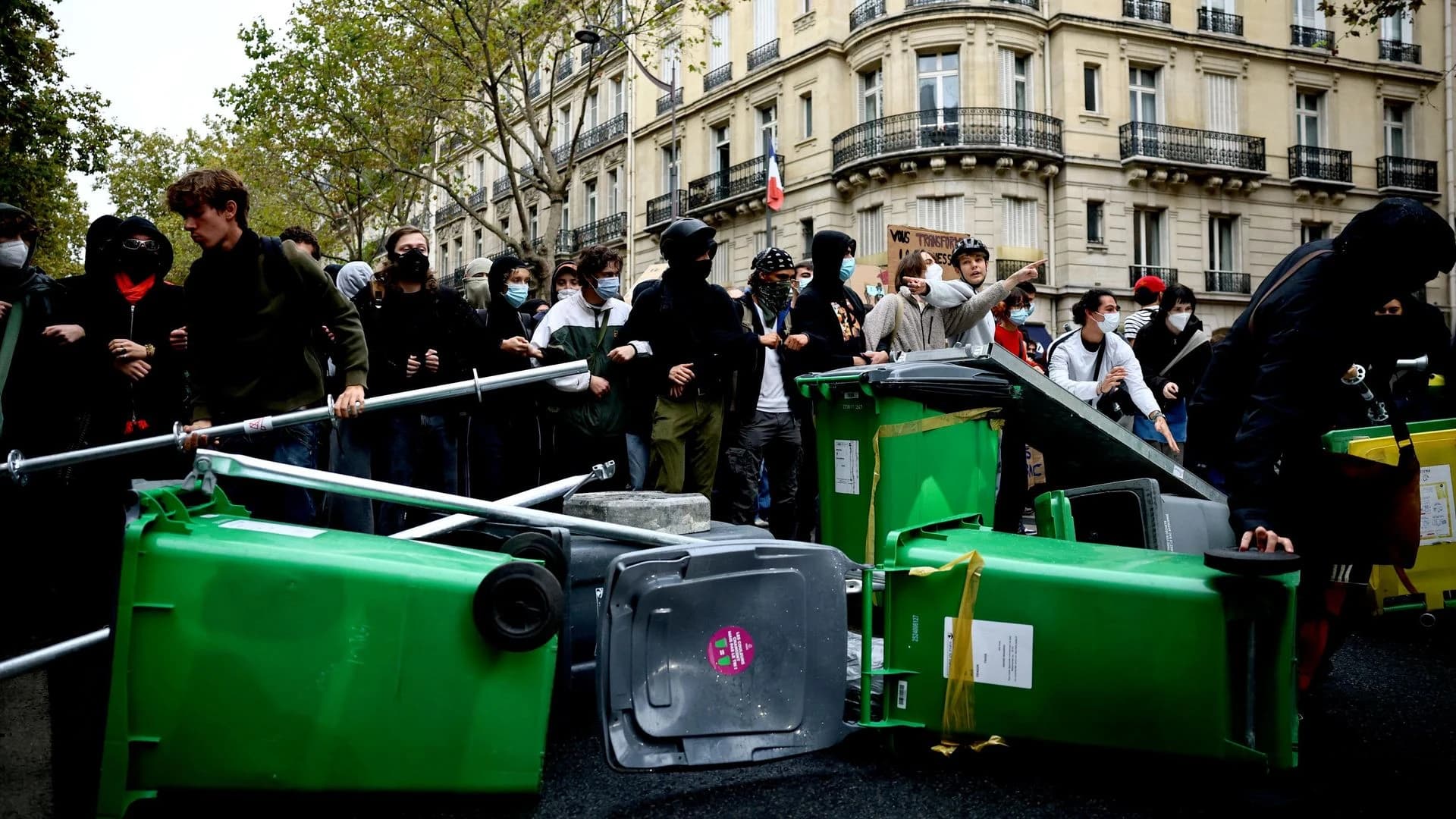
Belarusian outlet news.by published an analysis by Russian academic Pavel Feldman, a professor at the Academy of Labor and Social Relations, examining the protest movement that has rattled French high schools for several weeks. According to Feldman, the students' original grievances over deteriorating classroom conditions and a lack of resources have gradually given way to broader opposition against the authorities themselves.
Feldman described the use of tear gas and forceful police interventions as excessive and counterproductive, arguing they are instead fueling hostility from parts of civil society toward the French government. In his reading, the student movement has now become part of a wider conflict between civil society and the authorities, beyond the original school related demands.
The analysis comes after weeks of unrest in France, where a protest movement that began in mid September in the Creteil academy has spread nationwide, with thousands of arrests and hundreds of injuries. The French government has attributed much of the violence to outsiders with no connection to the schools, while some political figures, including Jean-Luc Melenchon, have instead praised the mobilization of young people.