
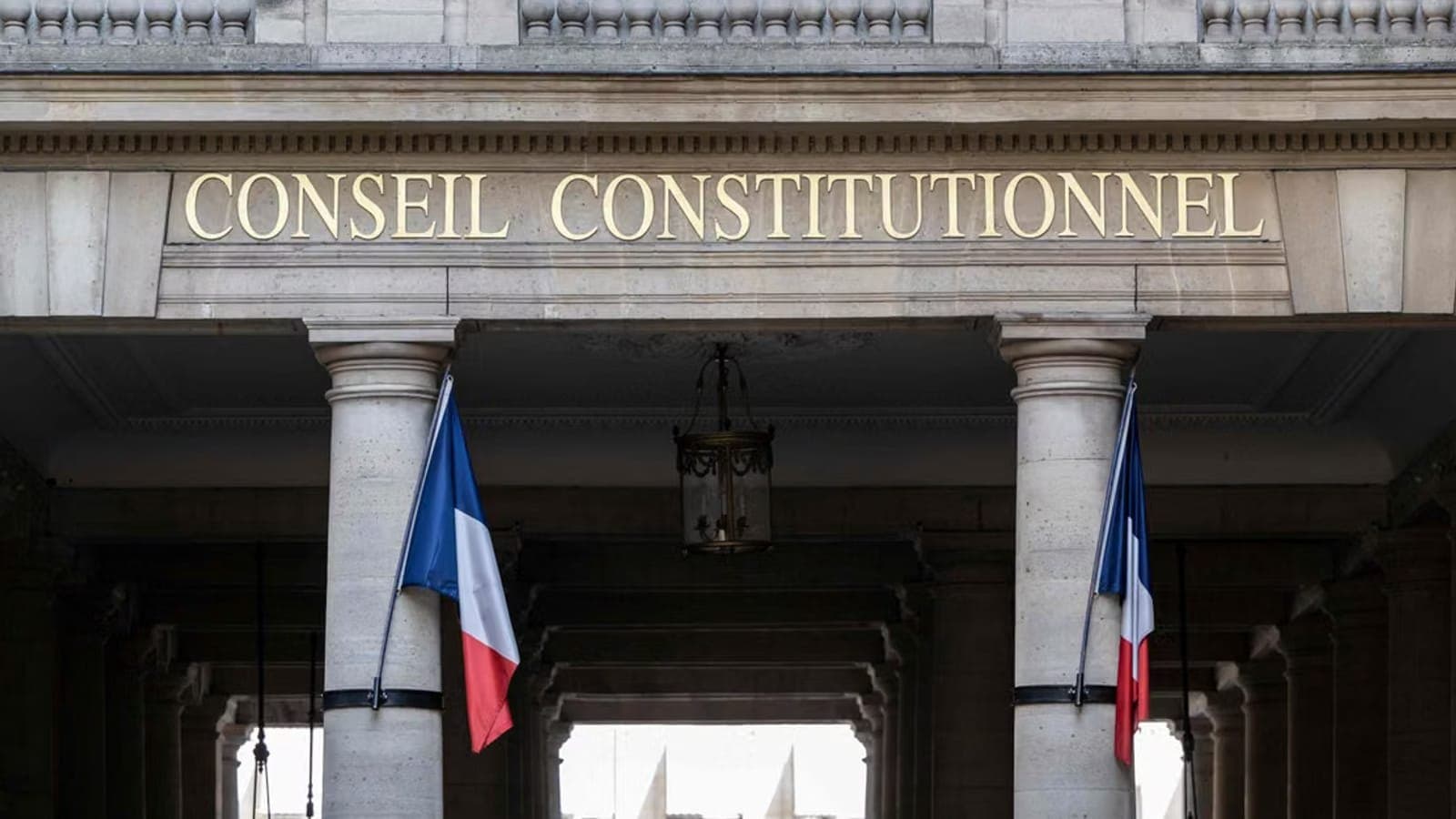
France's ban on social media for under-15s has been struck down by the Constitutional Council, which found that by applying to every platform and every minor without distinction the law infringed freedom of expression. Emmanuel Macron has instructed his government to prepare a fresh bill before the end of his term.
The reasoning matters more than the outcome, because it tells the next drafters what will survive. The Council did not hold that protecting children online is illegitimate, nor that an age condition on social platforms is unconstitutional in principle. It held that this instrument was indiscriminate. French constitutional review of a measure limiting a freedom asks whether it is suited to its objective and proportionate to it, and a rule that treats a video platform, a messaging service and an image feed as one thing, and a fourteen-year-old and a six-year-old as one person, fails on both counts at once.
That is a drafting problem rather than a political defeat, and it is a familiar one. The broad ban is always the easiest version to write and the easiest to explain, and it is the version that gets annulled. What passes review tends to be narrower: obligations tied to identified harms, tiered by the nature of the service, with the burden on platforms whose design creates the risk rather than a blanket prohibition on a whole age group's access to a whole medium.
The practical difficulty the new bill will hit is the one nobody has solved anywhere. Enforcing an age rule means verifying age, and verifying age at scale means either collecting identity documents from minors, which creates a database nobody wants to be responsible for, or deploying estimation systems that are probabilistic and touch every user rather than only the young ones. That is why age verification keeps colliding with data protection law, and why a measure aimed at children ends up regulating everybody.
The timing is its own constraint. Drafting a replacement before the end of the term means passing it through a chamber with no stable majority, on a subject where the political will is genuinely cross-party but the detail is contested, and doing it fast enough that it does not become a campaign promise instead of a statute. Legislation written against a deadline is legislation written broadly, which is exactly what the Council has just rejected.
The wider frame is European. The Digital Services Act already places obligations on very large platforms concerning minors, and Brussels has been working towards common standards on age assurance. A French law that goes further than the European framework in a way the Council will accept is a narrow target, and it is now the only one available.